
Sometimes you’ll come across a provider who says they’re CQC registered. So, you naturally assume that they’re a competent, well-run, professional organisation, suitably qualified & equipped to plan, deliver & run an event healthcare service, right?
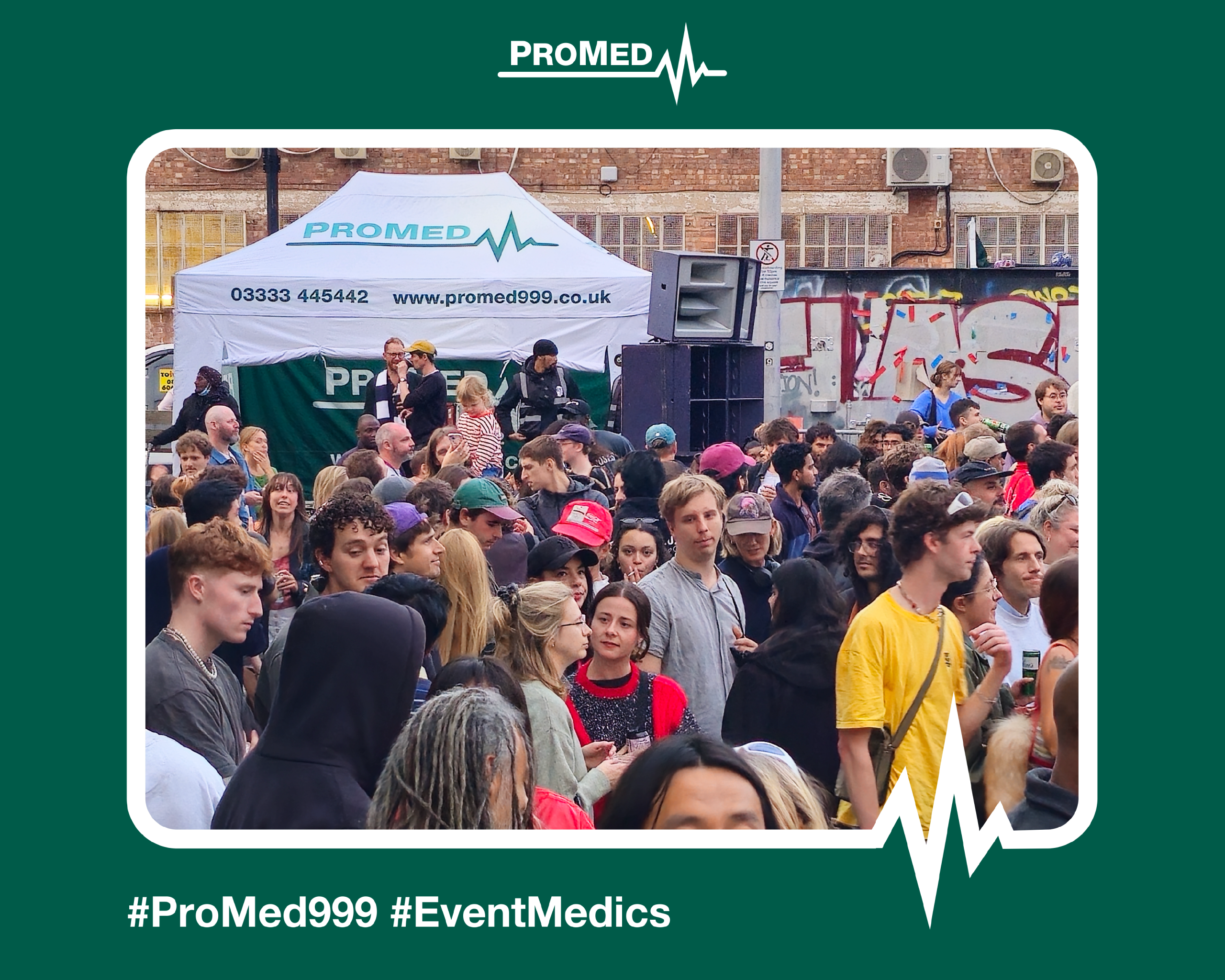
Unfortunately, a worrying trend is emerging across England. CQC registered ambulance services are increasingly offering to cover events, despite having little experience or understanding of how to deliver event healthcare. They turn up with some crewed ambulances, which they otherwise use to move patients from hospital to home, or between hospitals, or from a medical repatriation aircraft to a hospital, park up, walk around, and hope nothing untoward happens.
It’s dangerous.
Many event organisers are being misled by some CQC registered providers. They have a shiny purple badge. But they lack the essential understanding of how to safely plan & deliver healthcare within the event industry.
Can an event healthcare provider register with the CQC?
In short: No.
To quote the UK government: “a provider who only ever carries out activity covered by these exceptions need not register with CQC and will fall outside its regulatory remit.”
They went on to say “where a provider carries out activity that falls within an exception but also carries out other activities that are not excepted then that provider will have to register with CQC and will be subject to regulation. To note, this is only so far as its non-excepted activities are concerned.” So, even if an event healthcare provider is also an ambulance service, the CQC will only register & regulate its ambulance service activities (and NOT its event healthcare activities).
Transport
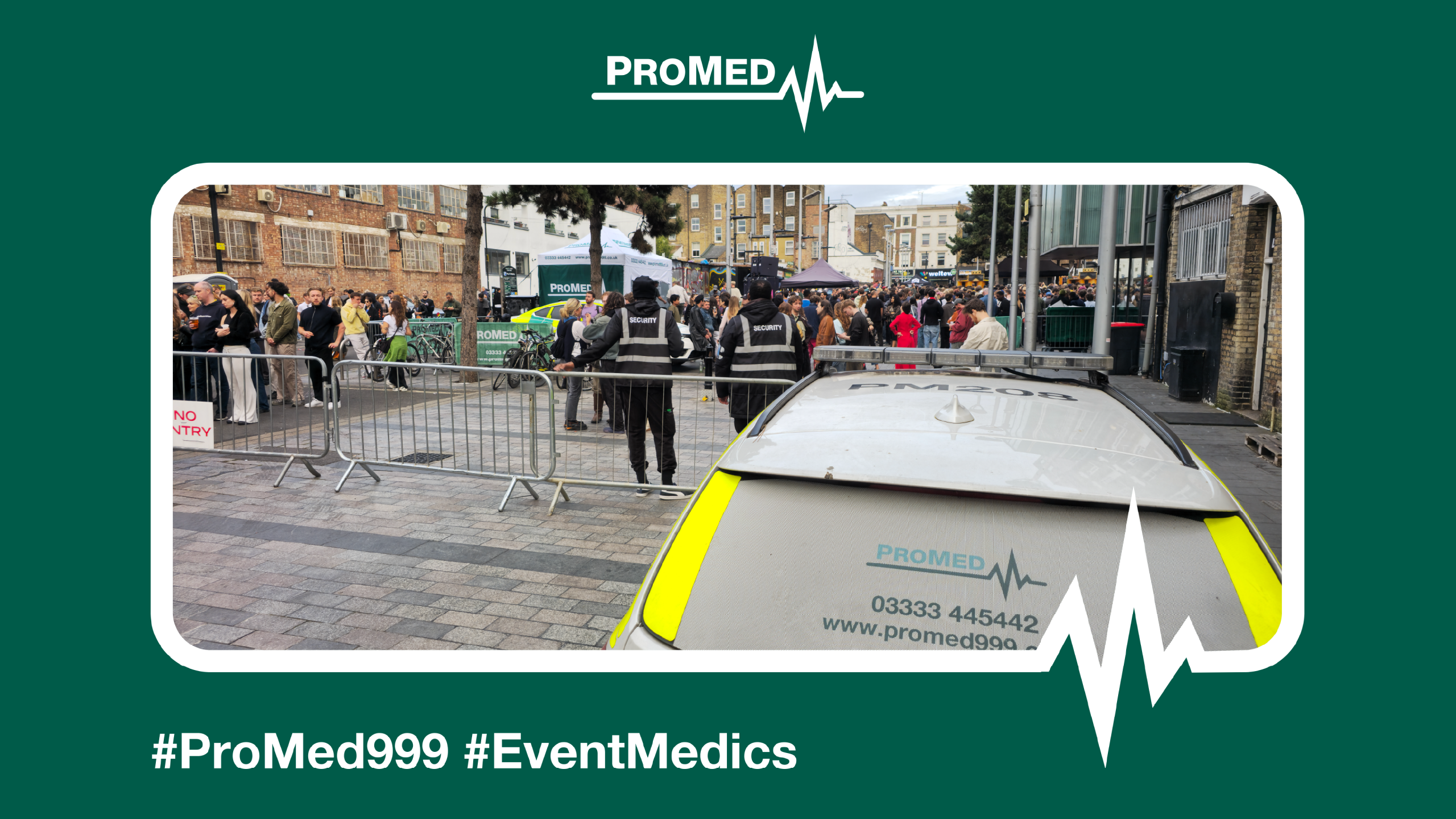
The Health and Social Care Act 2008 (Regulated Activities) Regulations 2014 Schedule 1 9(3) states that “transport services which are provided within the confines of the site or venue being used for an activity or event are excepted.”
It’s perfectly reasonable, and indeed good planning, to have ambulances (or other such transport services) available to attend to the scene/location of an injured person, and convey that casualty to the event healthcare facility. Some sites might be a 26.1 mile linear marathon route, for example. They could be a festival venue which is 4 square miles of farmland.
First aid
It’s also important to note that “first aid” is exempt by virtue of The Health and Social Care Act 2008 (Regulated Activities) Regulations 2014 Schedule 2 (9) “The provision of first aid by health care professionals where it is provided in unexpected or potentially dangerous situations requiring immediate action, organisations established for that purpose, or non-health care professionals trained to deliver such treatment.”
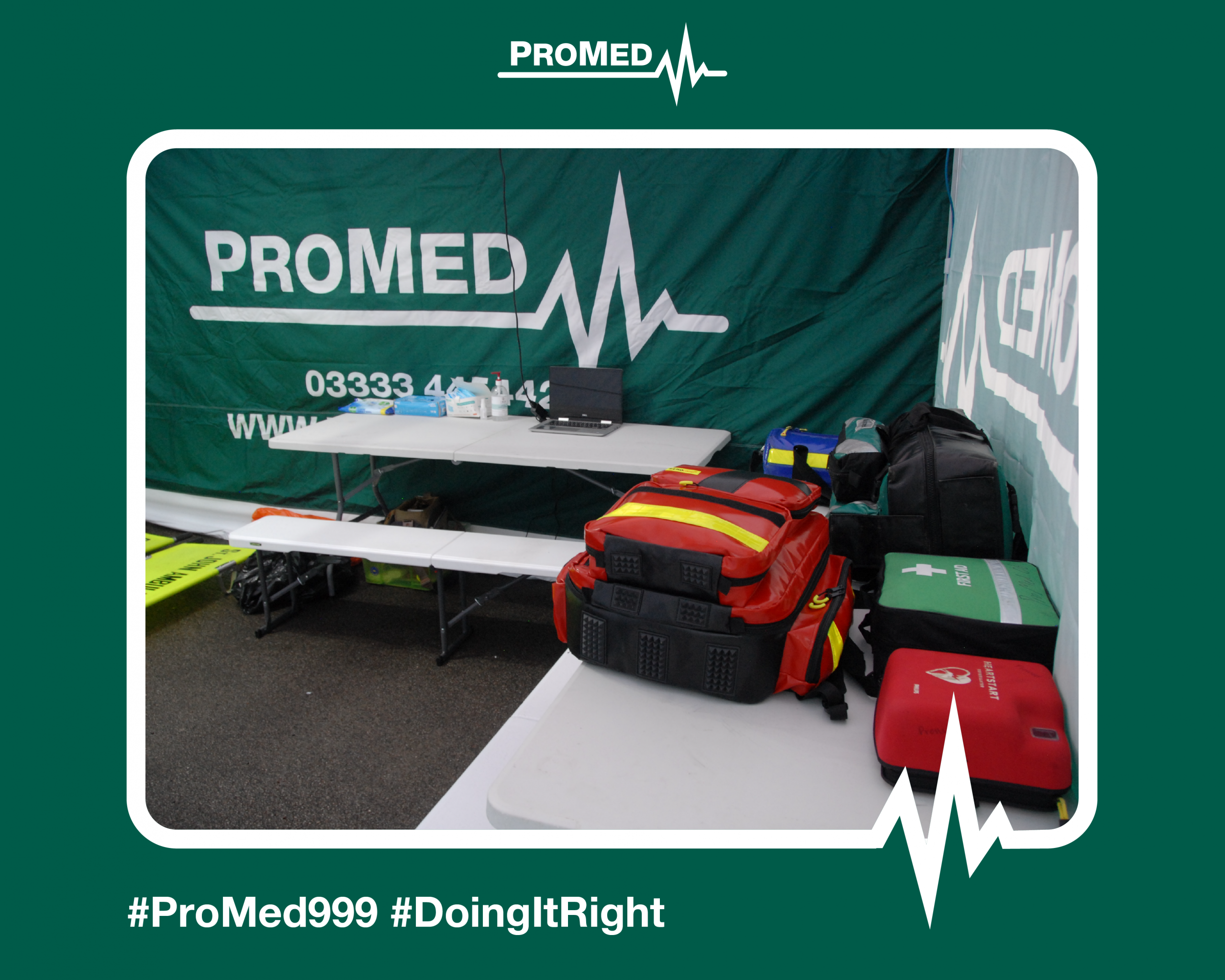
The CQC website is also quite clear on what they consider to be “first aid”. Providers “do not need to register if [they] only provide first aid as this is not regulated activity.”
First aid is “the initial response to a sudden illness, condition or injury or exacerbation of an existing illness; restricted to the aim of either alleviating it immediately through simple procedures and/or preventing it from worsening until professional medical help is available.” It may include simple non-invasive physiological monitoring techniques carried out as part of the overall care. It may be provided by lay people or healthcare professionals.
A first aid service may involve simple procedures for assessment that are limited to only assessing the need for onward referral for treatment. This includes use of an electrocardiogram (ECG), non-invasive blood pressure measurement, pulse oximeter, thermometer, sphygmomanometer or ophthalmoscope.
That’s far beyond what you’d expect from reading the First Aid Manual. Understandably, confusion is rife with both providers & organisers.
Changes to CQC regulations
Following the Manchester Arena Inquiry (MAI) volume 2 report (recommendations 132 to 134), published 3 November 2022, it was recommended that the Department of Health and Social Care (DHSC) should consider:
- the standard of provision of healthcare at events
- this standard being contained in statutory regulation
- enforcement by a regulator
During April-June 2024, DHSC carried out an open consultation, part of which considered removing the existing exceptions from The Health and Social Care Act 2008 (Regulated Activities) Regulations 2014 Schedule 1 4(3)(f-g) for the provision of treatment in a sports ground or gymnasium (including associated premises) where it is provided for the sole benefit of persons taking part in, or attending, sporting activities and events, and for the provision of treatment (not being first aid) under temporary arrangements to deliver health care to those taking part in, or attending, sporting or cultural events.
The last update from DHSC was on 18 December 2024, when the regulatory impact assessment & the government response were published. They have concluded that it requires further policy & operational consideration. The DHSC stated that further development work will be taken forward on the proposal relating to regulating treatment at temporary sporting and cultural events or at associated premises.
They are not proposing that the exception relating to transport services provided within the confines of the site or venue being used for sporting activities or events, or cultural events is removed. And, it will remain the case that the care & treatment provided to professional athletes and sportspeople under arrangements made by their employer (ie team/club) remains out of scope.
Government updates
Since then, Dan Jarvis MP (Lab, Barnsley North), Minister of State (Home Office), has replied to Neil Coyle MP (Lab, Bermondsey and Old Southwark) on 06 February 2025 & to Anna Dixon MP (Lab, Shipley) on 03 April 2025, each time confirming that “wider work is ongoing to strengthen healthcare standards […] to put in place updated guidance for health care at events [and] determine whether this standard should become a statutory obligation.”
Ashley Dalton MP (Lab, West Lancashire), Parliamentary Under-Secretary (Department of Health and Social Care), subsequently replied to Anna Dixon MP on 25 April 2025, stating that they “aim to publish the standard in the middle of 2026.”
What can go wrong – CQC ambulance services vs dedicated event healthcare providers
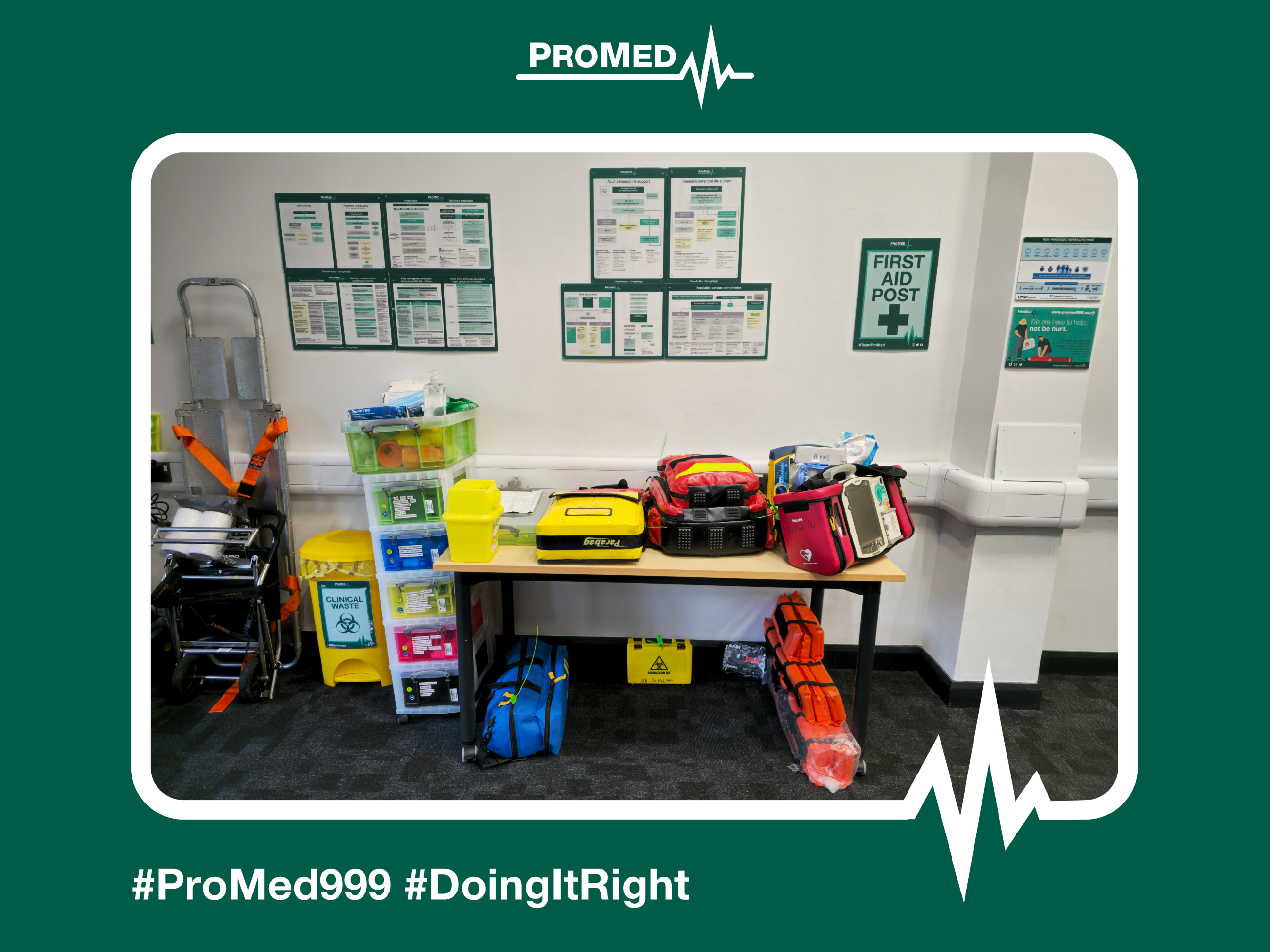
- False assumptions that necessary equipment will be available. Look at a CQC report from 2020, which said “high number of incidents when equipment had not been available for staff to use.”
- False assumptions that staff will be competent for their roles. A different CQC inspection in 2019 found they “were not assured that the provider had the systems and processes in place to assess staff competencies.”
- False assumptions that all patient care records are accurate & complete. Take an inspection report from 2023 as an example, “patient records were not clear and accurate.”
- No cover where it’s needed, when it’s needed. Providers who typically move patients from one place to another often don’t understand the phases of events. They won’t reposition their staff to cover arrivals, ingress, circulation, egress or departure. Some providers might not even leave the first aid post!
- No integration with local NHS provision. Providers who work in the area might be complacent about the hospitals they go to regularly. They won’t might not engage in purposeful dialogue about the best pathways or preparedness options available, instead making incorrect assumptions
Due diligence
It’s important to look carefully at who you’re engaging to look after your attendees.
Don’t be duped by a low-cost quote and a green van. Before signing a contract, perform these essential checks:
- Take up references: Ask for a named person & their contact details from 2 or 3 events they have covered which are similar to yours – a good provider will have many satisfied clients who will vouch for them
- Verify clinical governance: Ask who their clinical/medical director is; a reputable provider will have a named medical doctor with license to practice responsible for their clinical standards
- Check the devices & consumables: Ask to see the current calibration certificates for their medical devices, and the current stock list for their kit bags – is everything in date, with all details (ie batch/serial numbers) recorded
Staff registration & regulation
Don’t just look at the organisation – but the individual staff members, too. Arguably much more important is asking who will be treating your patients? Are they qualified? Can you prove that they have a recently-checked DBS?
It’s required by law that medical doctors register with the GMC, that registered nurses & midwives register with the NMC, that paramedics, physiotherapists, biomedical scientists, radiographers (and others) register with the HCPC, that dentists register with the GDC and that pharmacists register with the GPhC. It’s easy to ask for the PINs of those grades of staff and externally verify that they are currently on those registers. Look to see if they have any cautions, warnings or gaps in their registrations.
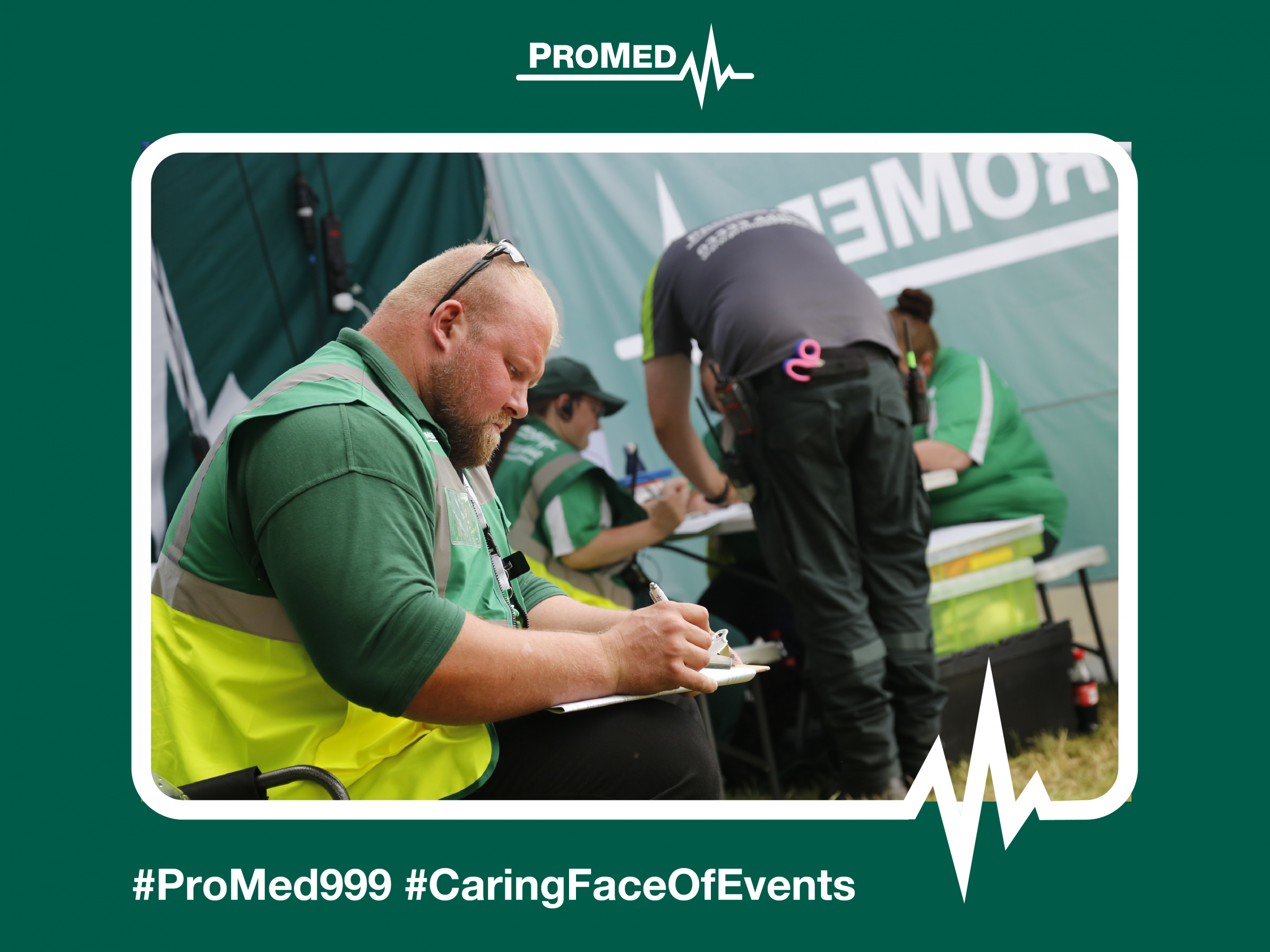
But those grades typically make up only a small portion of the total clinical staff deployed at your event. So, what about the non-registered healthcare professionals, the pre-hospital providers or the secondary responders?
The Health Practice Associates Council (HPAC) are voluntarily regulating pre-hospital urgent and emergency clinical responders in non-statutory roles. The Care Quality Commission (CQC), Disclosure & Barring Service (DBS), National Police Chiefs’ Council (NPCC), NHS Safeguarding, and the Independent Ambulance Association (IAA) all recognise the HPAC register in supporting the safe recruitment of non-paramedic ambulance clinicians. Every registrant is required & expected to abide by the HPAC standards of conduct, performance & ethics. They work to ensure that all registered practitioners adhere to the highest standards of competence, proficiency and patient safety, through a combination of regulation and ongoing support.
ProMed has been working with the HPAC since March 2021 to influence & shape the future provision of industry-related services. If you’re considering other providers to look after your guests, then ask what external registration/regulation is in place for all of their staff members. Ask for each patient-facing staff member’s PIN, and verify them.
Cost vs quality
At ProMed, we believe that event healthcare competence isn’t optional. As a dedicated, experienced, focused event healthcare provider, we ensure that every event we cover is suitably equipped with reliable medical devices, stocked with traceable medical consumables, staffed by registered professionals, with appropriate plans in place, supported by the best operational infrastructure – not just crewed ambulances parked up hoping for the best.
Don’t leave your event’s safety to chance. Ensure your healthcare provider is comprehensive, capable and competent.